In January 2026, the team working with the Europa Nostra Heritage Hub in Kraków started the second stage of their project to map the non-governmental heritage sector across Europe. This project is being carried out as part of the European Heritage Hub (EHH) consortium, which is led by Europa Nostra. The International Cultural Centre is managing the project activities, with communication support provided by the Society of Friends of Kraków History and Heritage.
The EHH is one of the largest heritage projects funded by the European Union. The pilot phase of the project took place between 2023 and 2025, and the current second stage is planned to last until 2027. The project brings together over twenty institutions and organisations from across Europe, including the ICC and the Society of Friends of Kraków History and Heritage. It is led by Europa Nostra, the largest and most representative network of cultural heritage organisations in Europe.
Together with the team of the Europa Nostra regional centre in Kraków — the Europa Nostra Heritage Hub for Central and Eastern Europe, run by TMHiZK — the ICC will continue the research work begun in 2023. This resulted in the publication of the report “Mapping the Central and Eastern European Non-Governmental Heritage Sector” two years later. This report provides an overview of the non-governmental heritage sector in ten Central and Eastern European countries, presenting conclusions from statistical and empirical research on its current state, challenges, and requirements. Throughout 2026, the non-governmental heritage sector in Northern and Western European countries (Germany, Belgium, the Netherlands, Luxembourg, Denmark, Sweden, Norway and Finland) will be analysed and the second part of the report will be prepared in 2027. Ultimately, over the coming years, the mapping will cover the entire European continent and provide a comprehensive analysis of the non-governmental heritage sector, constituting the first study devoted to the activities of the third sector in this field.
The team consists of researchers from Kraków: Dr Katarzyna Jagodzińska and Dr Joanna Sanetra-Szeliga, as well as researchers from the Centrum Cyfrowe in Warsaw: Maria Drabczyk, dr Aleksandra Janus and Dr Kuba Piwowar — will be supported by a network of national facilitators. The methodology developed in the pilot phase, which included literature reviews, statistical data analysis, and surveys and interviews with groups and individuals, will be revised and updated for the second stage of the research. Communication activities are led by Łukasz Pieróg and the administrative side of the project is managed by Ewa Wojtoń and Anna Kępińska.
The EHH will also include promotional activities related to heritage, such as podcasts in the ”Holistic Heritage” series, as well as networking activities.
SURVEY
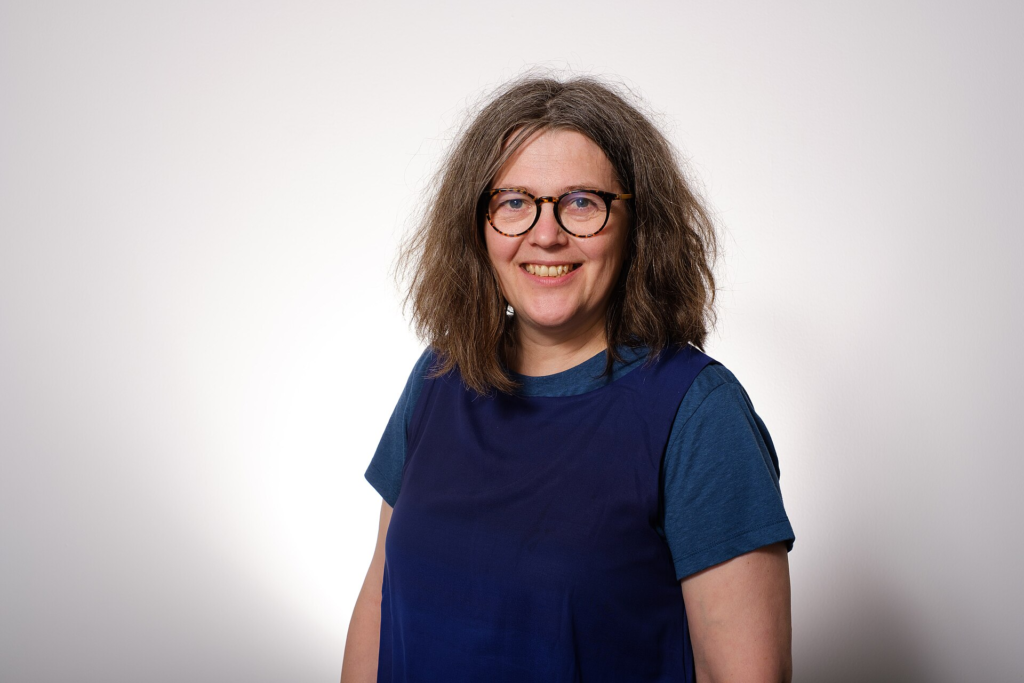
SUSANNA ÅNÄS | FINLAND
Susanna Ånäs is an open culture advocate based in Helsinki. She works as ED of Open Knowledge Finland and leads the AvoinGLAM working group. She is currently preparing Oulu Löyly, a think & do event that focuses on digital strategies for saving heritage at risk, especially the heritage of vulnerable communities. She has previously initiated the development of Wikimaps Warper to georeference old maps in Wikimedia Commons, the prototype for Wikidocumentaries for exploring the cultural commons of interconnected open repositories, Wiki Loves Living Heritage to spark collaborations for documenting living heritage around the world and organized events such as Hack4OpenGLAM and AI Sauna for the contributors of the cultural commons to come together.
LISA ALBRECHT | GERMANY
Lisa Albrecht is an art historian and emerging Cultural Heritage Professional with a focus on built heritage.
After completing her bachelor’s degree in art history at the Technical University of Berlin in 2023, she moved to Heidelberg to study a Master of Arts in ‘Cultural Heritage and the Protection of Cultural Property’. Throughout her studies, she maintained an interdisciplinary profile with a special interest in questions of society’s relation to built heritage and its role in current social conflicts.
Alongside her studies, Lisa has gained hands-on experience in museum curation and monument conservation. Currently, she is developing a doctoral project with particular interest in perspectives of the sociology of architecture and space, with an empirical focus on modern architecture and urban planning.
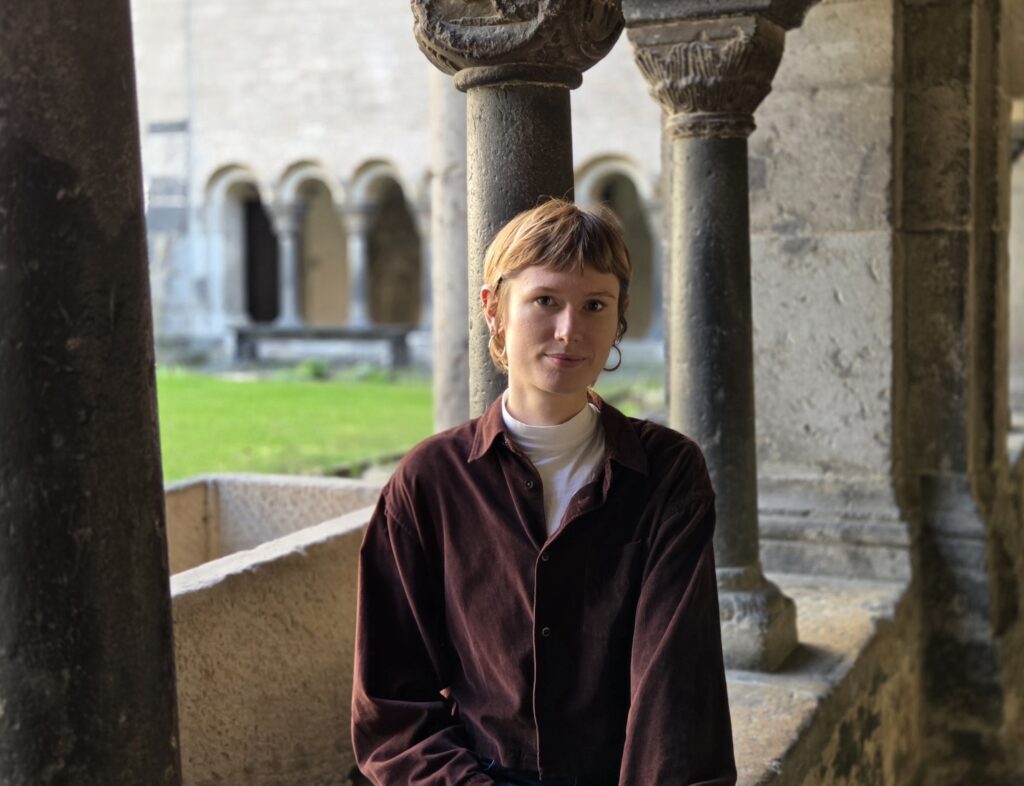
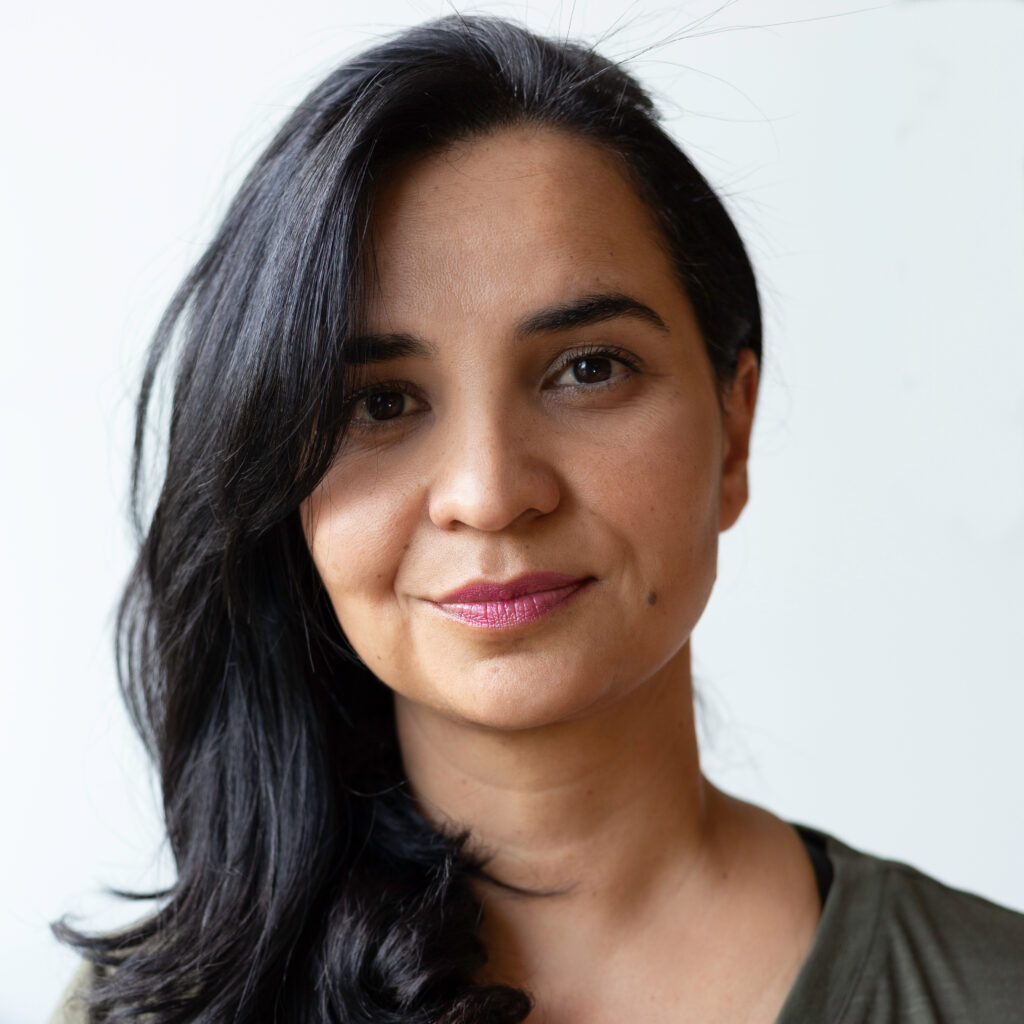
ISABEL BERIGO | NETHERLNANDS
Isabel Beirigo is a heritage professional with 14+ years of experience in the cultural heritage field. She currently works as researcher and project coordinator, and is an active member of the ICOM Working Group on decolonisation.
Isabel’s work focuses on decolonial practices for museums and archives, new technologies and Indigenous data management, and participatory approaches for cultural heritage organisations. She gives special attention to collaborative work, cultural policy, and multi-perspectives & polyvocal approaches for cultural collection’s metadata. Isabel has contributed to European projects such as RECHARGE, DE-BIAS, ekip, amongst others, and currently is contributing to the development of ethical guidelines on AI and Indigenous data management.
Previously, Isabel has worked at the Netherlands Institute for Sound & Vision, gaining experience in European funded projects on innovation & the cultural and creative sector.
DAVID CASTRILLO | LUXEMBOURG
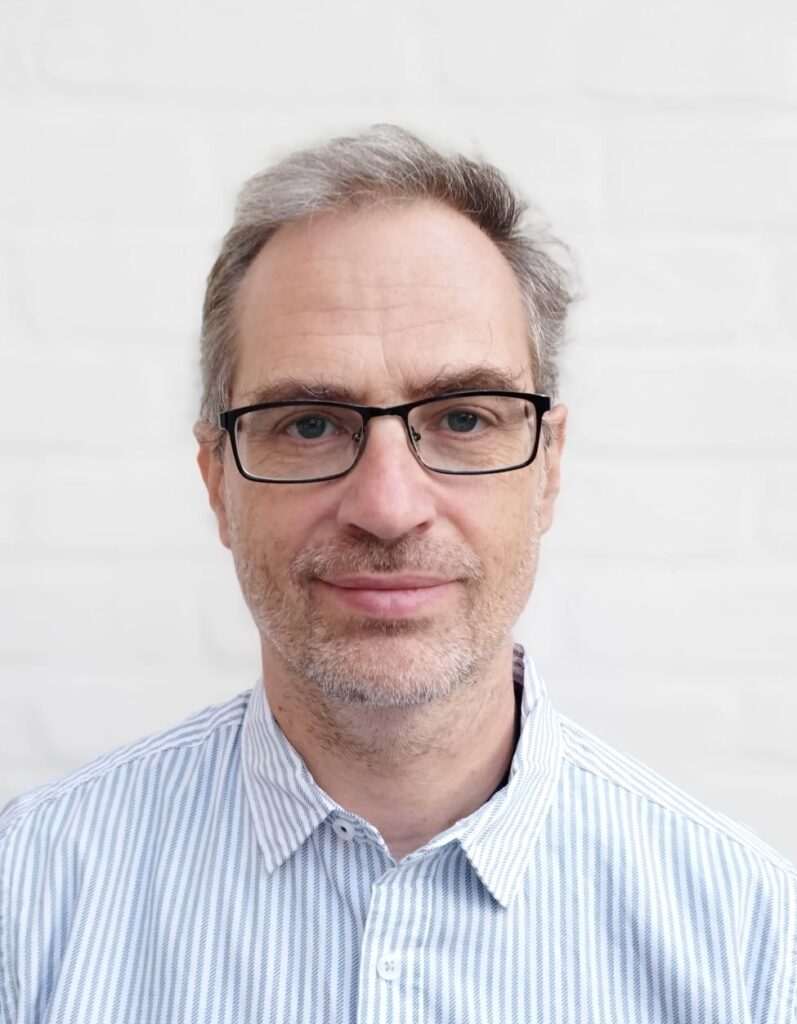
David Castrillo is an architect and cultural heritage specialist, ICCROM-certified in Post-Crisis Recovery of Heritage Sites. With a rich international background, he pursued his architectural studies in Spain and Greece before establishing the core of his career in Cyprus. Currently based in Luxembourg, David leads “Between the Lines”, an architectural firm dedicated to traditional architecture, cultural heritage and conservation across Europe. His firm is actively engaged in numerous restoration projects for historic buildings in various countries.
David’s extensive expertise encompasses high-level collaborations with prestigious organizations such as the Department of Antiquities and the Department of Urban Planning in Cyprus, the Leventis Foundation, the University of Cyprus, the United Nations Development Programme (UNDP), Europa Nostra, and the EIB Institute. Through his firm, he specializes in the documentation, assessment, and restoration of monuments ranging from Roman settlements to medieval castles. His work involves everything from meticulous architectural recording to landmark initiatives like the development of the first Archaeological Park in Nicosia and the urban design of historical village centers. A significant portion of his career is focused on ecclesiastical monuments and multidisciplinary research studies, particularly byzantine and orthodox buildings.
Furthermore, David has spearheaded innovative research programs, including the “EarthMasonry” project in collaboration with the University of Cyprus, which focuses on enhancing Compressed Earth Blocks (CEBs). He also served as the curator for the exhibition “Cypriot Traditional Architecture: Preservation of Vernacular Heritage” at the Abbey Neumünster in Luxembourg.
FRIDA FOSS | NORWAY
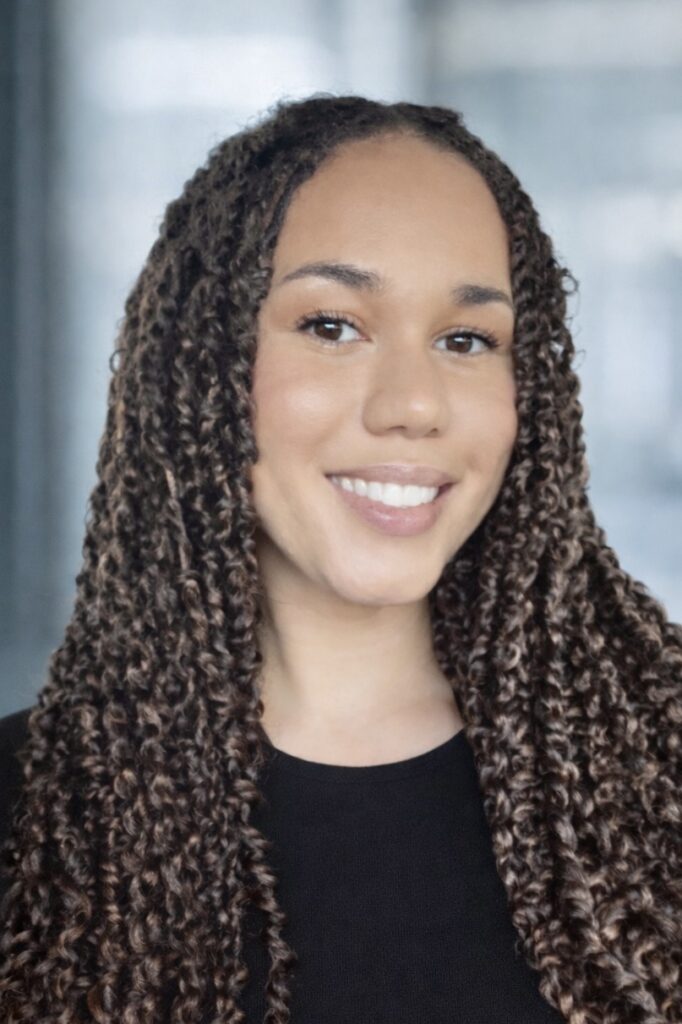
Frida Foss is an urban planner and designer from Oslo, Norway. She has a master of urban and regional planning from the University of California-Los Angeles with a background in transportation planning at Los Angeles Metro. She also has a background in research and teaching at the University of Colorado-Colorado Springs, with her work published in the Journal of International Migration and Integration and The Geography Teacher. Frida is passionate about making public spaces more accessible, sustainable, healthy and just.
MEETALI GUPTA | GERMANY
Ms. Gupta holds a Bachelor’s degree in Architecture from Delhi, India, along with a specialization in World Heritage and EU Cultural Policies. She currently serves as an Academic Teaching Assistant at the Chair of Environmental Planning of Brandenburg University of Technology Cottbus–Senftenberg, Germany.
She brings extensive international experience, having worked with leading global and German organizations at the intersection of heritage preservation, community practice, and policy development. Her work has contributed to advancing cultural heritage research, sustainability initiatives, and capacity-building efforts.
Her professional experience includes serving as a Research Architect with Indian National Trust for Art and Cultural Heritage (INTACH), as a Research Associate with Safetipin, and as a Cultural Heritage Consultant on interdisciplinary initiatives. Notably, she contributed to the monitoring project on the documentation and evaluation of damage to cultural property in Ukraine, carried out in cooperation with Blue Shield Germany and Philipps-Universität Marburg. She also served as Cultural Heritage and Policy Officer at European Historic Houses in Brussels.
Ms. Gupta’s interdisciplinary research interests focus on youth rights, cultural heritage, sustainability, and intersectionality, with an emphasis on advancing equitable representation in society.
MANGESH KADU | GERMANY
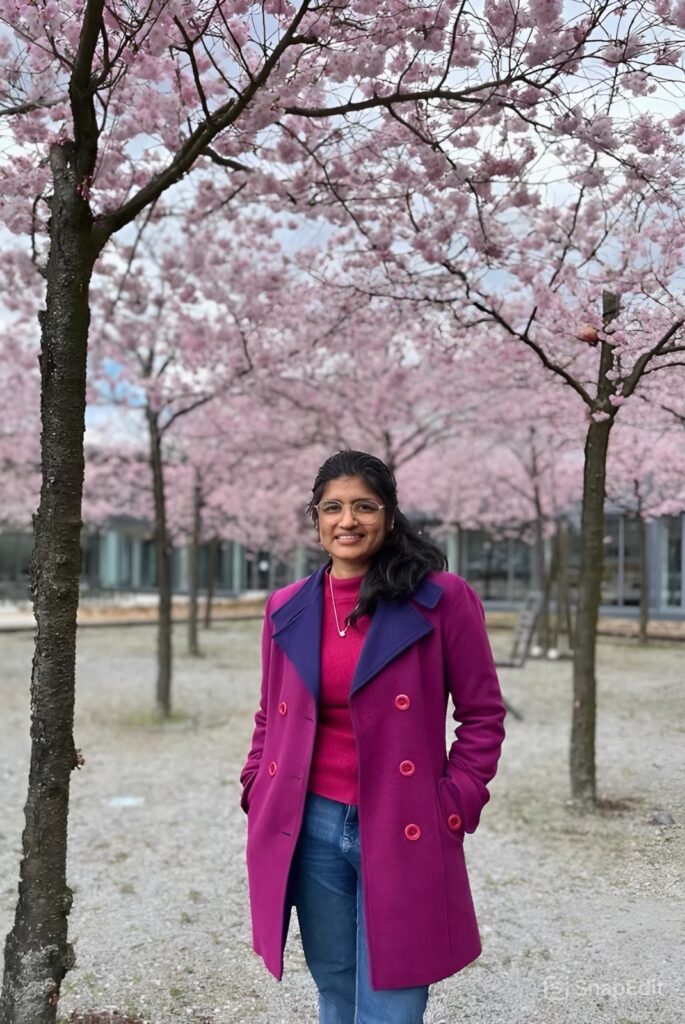
Mangesh was born in Mumbai, India, and moved to Germany in 2018 to pursue further education at Brandenburg University of Technology Cottbus-Senftenberg. He is a cultural heritage professional with a background in architecture and a Master’s degree in World Heritage Studies. His work focuses on visitor engagement, cultural interpretation, educational programs, and intercultural communication. He has experience working in museums and academic environments, where he has worked with diverse audiences. He enjoys connecting people with cultural history and creating welcoming experiences for visitors. In his free time, he enjoys photography, reading, sketching, and traveling.
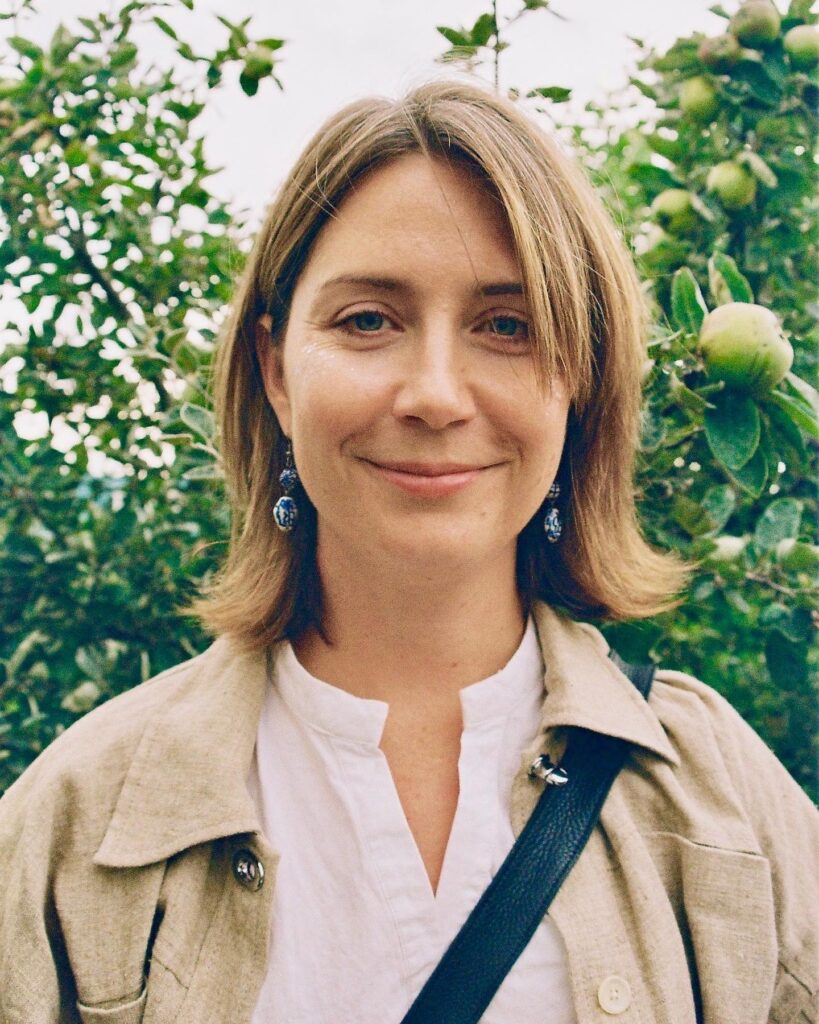
ALICJA PASZKOWSKA | DENMARK
Alicja Peszkowska is a Copenhagen-based anthropologist, researcher, and participation strategist. She has collaborated with public institutions, such as the National Gallery of Denmark, and international players, including the European Commission, as well as grassroots nonprofit organizations across Western and Eastern Europe and beyond. Her experience spans community building & engagement, communication, narrative shaping, PR, and organizational strategy.
ANNA PERSSON | SWEDEN
Anna is a behavioral scientist, and tech-industry consultant with a deep personal interest in European history. She combines her understanding of human behavior with a passion for exploring how Europe’s past continues to shape modern society.